
Poison Ivy Season in Georgia: How to Spot, Treat, and Prevent Rashes Fast
Published December 16, 2025
When Is Poison Ivy Season in Georgia?
Poison ivy season in Georgia brings a higher chance of encountering urushiol oil, the plant’s irritating sap that can trigger an itchy, blistering rash with even brief contact. While poison ivy can appear year-round, it becomes especially common during the warmer, more humid months when the plant grows rapidly across the region. This guide will help you identify poison ivy, manage a rash quickly, and take steps to prevent future exposure.
Poison ivy grows throughout Georgia year-round, but it becomes most active during the summer months when warm temperatures and high humidity encourage rapid growth. This seasonal surge increases the chances of encountering the plant during outdoor activities.
Common places you may encounter poison ivy in Georgia include:
•
•
•
•
•
It is also important to remember that every part of the plant contains urushiol oil, including the leaves, stems, vines, and even the roots. This means poison ivy can cause a reaction in any season, even when the plant appears dormant.
What Does Poison Ivy Look Like?
Identifying poison ivy is one of the best ways to avoid accidental contact and prevent a rash. The plant has several recognizable features, and learning them can make it much easier to spot during poison ivy season.
Common characteristics of poison ivy include:
•
•
•
•
Similar-looking plants such as box elder and Virginia creeper often cause confusion, while poison oak and poison sumac have different leaf patterns and growth habits.
Seasonal Changes in Appearance
Poison ivy’s appearance shifts throughout the year, which can make it challenging to recognize if you are not familiar with its seasonal patterns. Understanding how the plant changes in each season can help you identify it more easily during outdoor activities in Georgia.
Here's how poison ivy looks through the seasons:
•
•
•
•
For comparison, poison oak has rounded, oak-like leaves and grows as a shrub, while poison sumac has 7 to 13 leaflets along a central stem and is found in swampy areas. Harmless plants like box elder and Virginia creeper can also resemble poison ivy, so knowing these differences helps with accurate identification.
What Does Poison Ivy Rash Look Like?
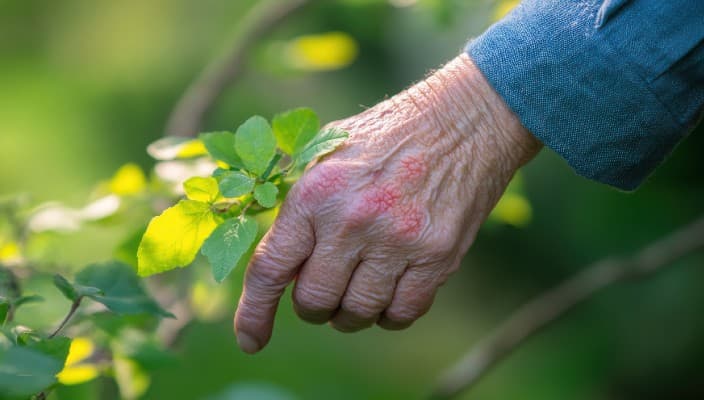
A poison ivy rash usually appears as a combination of redness, itching, burning, swelling, and small bumps or blisters on the skin. Symptoms typically develop within 12 to 48 hours after contact with the plant or any surface that has come into contact with its urushiol oil.
In some individuals, especially those with allergies, the reaction can be more severe, leading to extreme swelling, fever, or a widespread rash. A poison ivy rash is not contagious, and the rash only occurs when your skin comes into contact with the plant or objects contaminated with its sap.
What to Do If You Touch Poison Ivy?
If you come into contact with poison ivy, taking quick action can help reduce the severity of the reaction and prevent the spread of urushiol oil. Here are some steps to follow immediately after exposure:
•
•
•
•
•
How to Treat Poison Ivy Rash
A poison ivy rash usually lasts between one and three weeks and often resolves on its own. However, certain treatments can help alleviate discomfort, reduce inflammation, and expedite the healing process. Dermatology Affiliates recommends several options depending on the severity of the rash.
Topical Steroids
Prescription or over-the-counter topical corticosteroids can help reduce redness, swelling, and itching. Applying these creams as directed can provide faster relief and help prevent the rash from worsening. Topical steroids are especially helpful for localized rashes or areas that are particularly inflamed, and consistent use over several days can significantly improve comfort.
Oral Antihistamines
Over-the-counter antihistamines, such as diphenhydramine, can ease itching and discomfort, especially when symptoms interfere with sleep or daily activities. They work by blocking the body’s histamine response, which is responsible for many of the rash’s symptoms. Antihistamines can also help reduce irritation from scratching and provide temporary relief throughout the day.
Calamine Lotion
Calamine lotion is a gentle option to soothe irritated skin and reduce itching. Applying it regularly to affected areas can help keep the rash more comfortable while it heals. The cooling effect of calamine lotion can also help calm inflamed skin and prevent scratching, which may reduce the risk of secondary infection.
Prescription Medications
For severe cases, a dermatologist may recommend stronger treatments, including oral steroids, to manage widespread or persistent symptoms. Additionally, cool compresses and other medicated creams may be recommended to further alleviate itching and irritation. These prescription options are often necessary for rashes that cover large areas of the body, cause intense discomfort, or fail to improve with over-the-counter treatments.
How to Prevent a Poison Ivy Rash
Preventing a poison ivy rash starts with awareness and careful preparation. Knowing how to identify the plant and taking steps to avoid contact can dramatically reduce the risk of exposure, especially during peak poison ivy season in Georgia.
Tips for preventing poison ivy rash include:
•
•
•
•
•
•
Urushiol, the toxic oil from poison ivy, can remain active on clothing, tools, pet fur, and even dead plants for months. Washing clothing and tools after exposure, bathing pets, and safely disposing of dead plants are essential steps to prevent accidental spread and protect yourself and your family.
When to See a Dermatologist
In most cases, home care is sufficient to manage a poison ivy rash, but Dermatology Affiliates dermatologists are available to help relieve symptoms and ensure proper care. Consulting a dermatologist can provide an accurate diagnosis and access to targeted treatments designed to reduce itching, inflammation, and discomfort.
You should consider seeing a dermatologist if the rash is:
•
•
•
Dermatology Affiliates’ specialized knowledge can also help prevent complications such as infections or scarring. In addition, dermatologists can offer personalized guidance on avoiding future exposure, helping you enjoy the outdoors during poison ivy season.
Get Expert Care for Poison Ivy Rash at Dermatology Affiliates
If you want to learn more about poison ivy or other skin concerns, explore our site for additional resources. If you believe you have a poison ivy rash, schedule an appointment with Dermatology Affiliates today. An expert dermatologist can assess your symptoms and create a personalized treatment plan to help you heal quickly and safely. Book your appointment now to get professional care and relief.