
Post-Summer Sun Damage: Treatment Options for Brown Spots and Uneven Tone
Published November 6, 2026

If you’re looking into sun damage treatment after a summer spent outdoors, you’re not alone. Vacations, pool days, sports, gardening, and everyday UV exposure can leave behind brown spots, more noticeable freckles, and an uneven complexion. While these changes may seem to appear suddenly, they can reflect the cumulative effects of sun exposure and photoaging.
The good news? Fall can be a great time to assess your skin and explore your options. A dermatologist at Dermatology Affiliates can determine what’s behind the discoloration and recommend treatment based on your skin type, goals, and medical history. It is also important to note that not every brown spot is cosmetic; new or changing spots should always be medically evaluated before pursuing treatment.
What Does Sun Damage Look Like After Summer?
If you’re considering sun damage treatment, it helps to know what you’re looking for. After months of UV exposure, sun damage may appear as changes in pigmentation, texture, or overall skin tone.
Common signs of sun damage include:
Brown spots, sun spots, or age spots
Darker or more noticeable freckles
Uneven or blotchy pigmentation
Dull or rough-looking skin
Fine lines and redness
Dry or weathered-looking skin
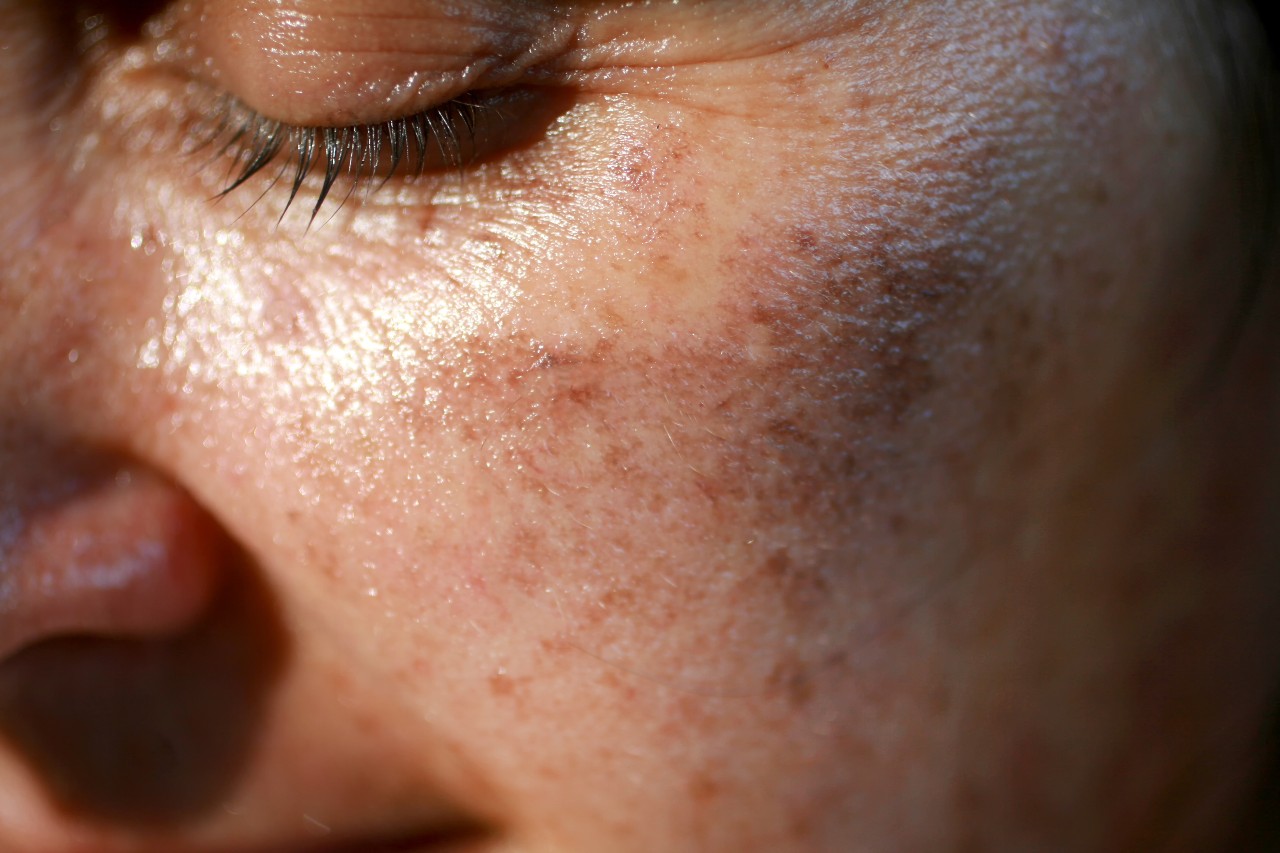
These changes are most common on frequently exposed areas like the face, neck, chest, shoulders, arms, and hands. Sun spots, age spots, and solar lentigines are terms often used for flat areas of pigmentation linked to cumulative sun exposure. At the same time, hyperpigmentation is a broader term for darker areas of skin. Other factors, including acne, inflammation, or hormonal changes, can also cause uneven pigmentation.
Why Do Brown Spots Look More Noticeable After Summer?
Brown spots after summer can become more noticeable because repeated UV exposure stimulates melanin production. Existing freckles and sun spots may darken, while concentrated pigment can make new areas of uneven pigmentation more visible.
As a summer tan fades, these darker areas may stand out even more. Sun exposure can also make conditions like melasma more noticeable, so not every brown spot is necessarily caused by the sun.
Do Brown Spots Automatically Mean Sun Damage?
Not necessarily. Freckles, sun spots, melasma, post-inflammatory hyperpigmentation, moles, seborrheic keratoses, and other skin growths can all appear brown or pigmented. In some cases, skin cancer can also resemble an age spot.
That’s why cosmetic treatment should start with knowing what you’re treating. A dermatologist can evaluate pigmentation and determine whether a spot is appropriate for cosmetic treatment or needs further evaluation. Pay particular attention to spots that are new, changing, growing, bleeding, persistently irritated, or noticeably different from the spots around them.
Can Sun Damage Be Treated?
Yes. While existing UV damage can’t simply be erased, sun damage treatment can improve many of its visible effects. Depending on your skin and goals, treatment may help:
Fade brown spots and sun spots
Improve uneven skin tone
Smooth rough or uneven texture
Boost overall skin radiance
Reduce visible signs of photoaging
Support healthier-looking skin with medical-grade skincare
Treatment options may include IPL, laser resurfacing, chemical peels, microdermabrasion, or a combination of approaches. A provider at Dermatology Affiliates can help determine which option best suits your skin and treatment goals.
Laser Treatment for Sun Spots: How Does It Work?
Laser treatment for sun spots uses targeted energy to address unwanted pigmentation. Depending on the technology, the energy targets pigment in the skin, helping dark spots gradually fade as the skin renews. Some treatments can also improve texture, redness, and other signs of photoaging.
Who May Be a Candidate for Laser or Light-Based Treatment?
Laser or light-based treatment may benefit people concerned about sun spots, age spots, uneven pigmentation, tone, or texture. A consultation helps determine the right approach based on your skin tone, pigmentation, treatment area, desired downtime, and previous treatments.
IPL Therapy for Brown Spots and Uneven Tone
IPL for brown spots uses intense pulsed light to target unwanted pigmentation and certain redness concerns. Unlike lasers, which use a specific wavelength, IPL uses a broad range of light to address visible sun damage.
IPL may help improve brown spots, age spots, and certain redness concerns. Candidacy, treatment time, and recovery depend on the device and your skin. Ask your Dermatology Affiliates provider which laser or light-based treatments are available at your location and appropriate for you.
Fraxel® Laser Resurfacing for Sun-Damaged Skin
Fraxel® Laser Resurfacing is a fractional laser treatment that targets microscopic areas of the skin while leaving surrounding tissue intact. This encourages skin renewal and collagen production, making it an option for sun damage accompanied by uneven texture, fine lines, or acne scars.
IPL vs. Fraxel® for Sun Damage
IPL may be a good option when pigmentation or redness is the main concern, while Fraxel® may be considered when sun damage also involves texture changes, fine lines, or broader skin-renewal goals. A consultation with Dermatology Affiliates can help determine the right approach for you.
Can Chemical Peels Help With Sun Damage and Uneven Tone?
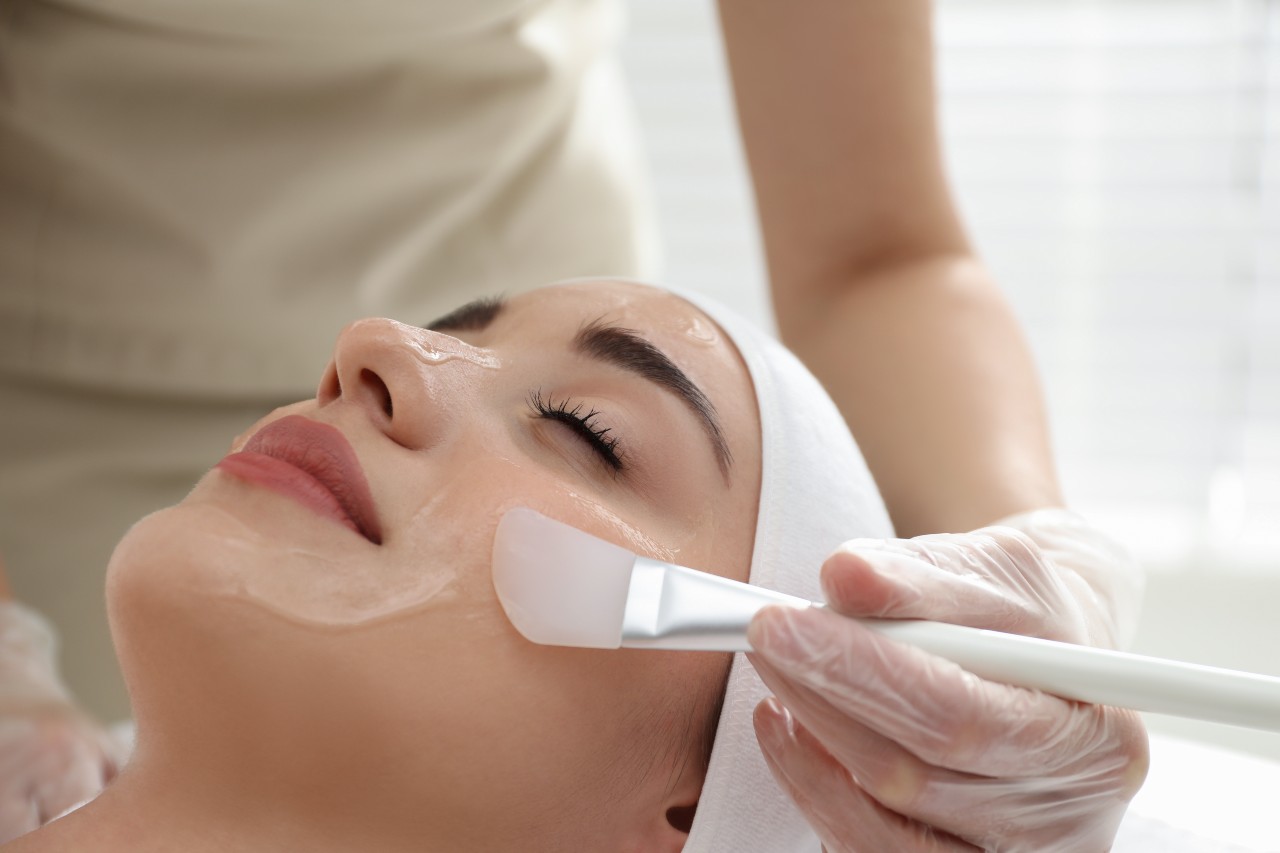
Yes. Chemical peels use a controlled solution to exfoliate the skin and encourage renewal. They can be customized to address concerns such as:
Uneven pigmentation and sun damage
Age spots and freckles
Dull or rough-looking skin
Fine lines
Certain acne-related discoloration
A chemical peel may be a good option when pigmentation occurs alongside dullness or rough texture, or when you want a broader skin-renewal treatment. Your provider will select the appropriate peel based on your skin, concerns, and desired recovery time, with special consideration for different skin tones.
Which Sun Damage Treatment Is Right for Me?
There’s no single sun damage treatment that works for everyone. The right option depends on your pigmentation, skin type and tone, treatment goals, and how much downtime you’re comfortable with.
IPL Therapy — Sun spots, age spots, pigmentation, redness, uneven tone — Candidacy depends on skin and pigment type
Fraxel® Laser Resurfacing — Sun damage, texture, fine lines, pigmentation — More comprehensive resurfacing approach
Laser & Light-Based Treatments — Targeted pigmentation, sun spots, age spots — Technology varies by skin type and concern
Chemical Peels — Uneven pigmentation, dullness, sun damage, texture — Strength and recovery vary
Microneedling — Uneven tone, texture, scars, fine lines — Focuses on overall skin renewal
Medical-Grade Skincare — Pigment management and maintenance — Should be selected for individual skin needs
Your provider may also consider your spot size and number, treatment history, budget, upcoming sun exposure, and ability to follow aftercare instructions. A personalized consultation can help determine which approach best fits your skin and goals.
Does Skin Tone Affect Treatment for Brown Spots?
Yes. Sun-related pigmentation can affect every skin tone, but some treatments may carry a higher risk of pigment changes in certain skin types. Laser, IPL, and chemical peels should therefore be carefully selected and customized.
A professional evaluation helps balance your treatment goals with the risk of hyperpigmentation or hypopigmentation, helping address discoloration as safely and effectively as possible.
When Is the Best Time to Treat Post-Summer Sun Damage?
Fall can be a convenient time to explore sun damage treatment, as fading tans may reveal darker spots and cooler weather can make it easier to limit sun exposure during treatment. However, treatment timing depends on the procedure and your lifestyle. Sun protection remains essential year-round, including after treatment.
Can New Sun Damage Develop After Treatment?
Yes. Cosmetic treatments can improve existing sun damage, but they don’t prevent new UV-related pigmentation from developing. Ongoing sun exposure can contribute to new spots and photoaging over time.
To help maintain results, focus on:
Consistent sun protection
A thoughtful skincare routine
Recommended maintenance treatments
Routine dermatology visits
Treating existing summer sun damage and protecting your skin from future UV exposure work together to support healthy skin over time.
When Should a Brown Spot Be Checked Before Cosmetic Treatment?
Before pursuing cosmetic treatment, have a brown spot evaluated if it is new, changing, growing, bleeding, itchy, painful, or noticeably different from your other spots. Spots that don’t heal should also be checked, since some skin cancers can resemble harmless pigmentation.
Dermatology Affiliates offers both medical and cosmetic dermatology, allowing patients to start with an appropriate skin evaluation before considering cosmetic treatment. The practice has locations in Buckhead and Midtown in Atlanta, GA.
Explore Your Sun Damage Treatment Options
If you’re ready to address brown spots, uneven pigmentation, or other signs of sun damage, Dermatology Affiliates can help you explore your options. Schedule an appointment to have your skin evaluated and create a personalized sun damage treatment plan designed around your skin, concerns, and goals.
FAQs About Post-Summer Sun Damage
Why do I have more brown spots after summer?
Repeated UV exposure can increase melanin production, making brown spots after summer, freckles, and sun spots appear darker or more noticeable.
What is the best treatment for sun damage?
There’s no single best sun damage treatment for everyone. Options may include IPL, laser resurfacing, chemical peels, microneedling, and personalized skincare.
Can laser treatment remove sun spots?
Laser treatment for sun spots can significantly improve the appearance of many areas of pigmentation. Results and the number of treatments vary by patient and technology.
What is the difference between IPL and laser treatment for sun spots?
IPL uses a broad range of light, while lasers typically use a more specific wavelength. The right option depends on your pigmentation, skin tone, and treatment goals.
Does Dermatology Affiliates treat sun damage?
Dermatology Affiliates offers options such as Fraxel® laser resurfacing, chemical peels, and microneedling. Treatment availability varies by location; your provider can confirm which options are appropriate for your skin.
Can a chemical peel fade brown spots?
Yes. A chemical peel for brown spots can improve some types of uneven pigmentation by encouraging exfoliation and skin renewal. Treatment should be personalized to your skin.
Can sun spots come back after treatment?
Yes. Continued UV exposure can contribute to new pigmentation over time. Consistent sun protection can help maintain your results.
Should I have brown spots checked before laser treatment?
Yes, especially if a spot is new or changing. A dermatologist can determine whether it’s appropriate for cosmetic treatment or needs further evaluation.
When should I schedule treatment for sun damage?
Many patients explore treatment after summer when pigmentation becomes more noticeable. The ideal timing depends on the procedure, your skin, and your ability to follow sun-protection guidelines.
Where can I get treatment for sun spots in Atlanta?
Patients seeking sun damage treatment in Atlanta can schedule a cosmetic consultation with Dermatology Affiliates to discuss treatment options based on their skin and goals.